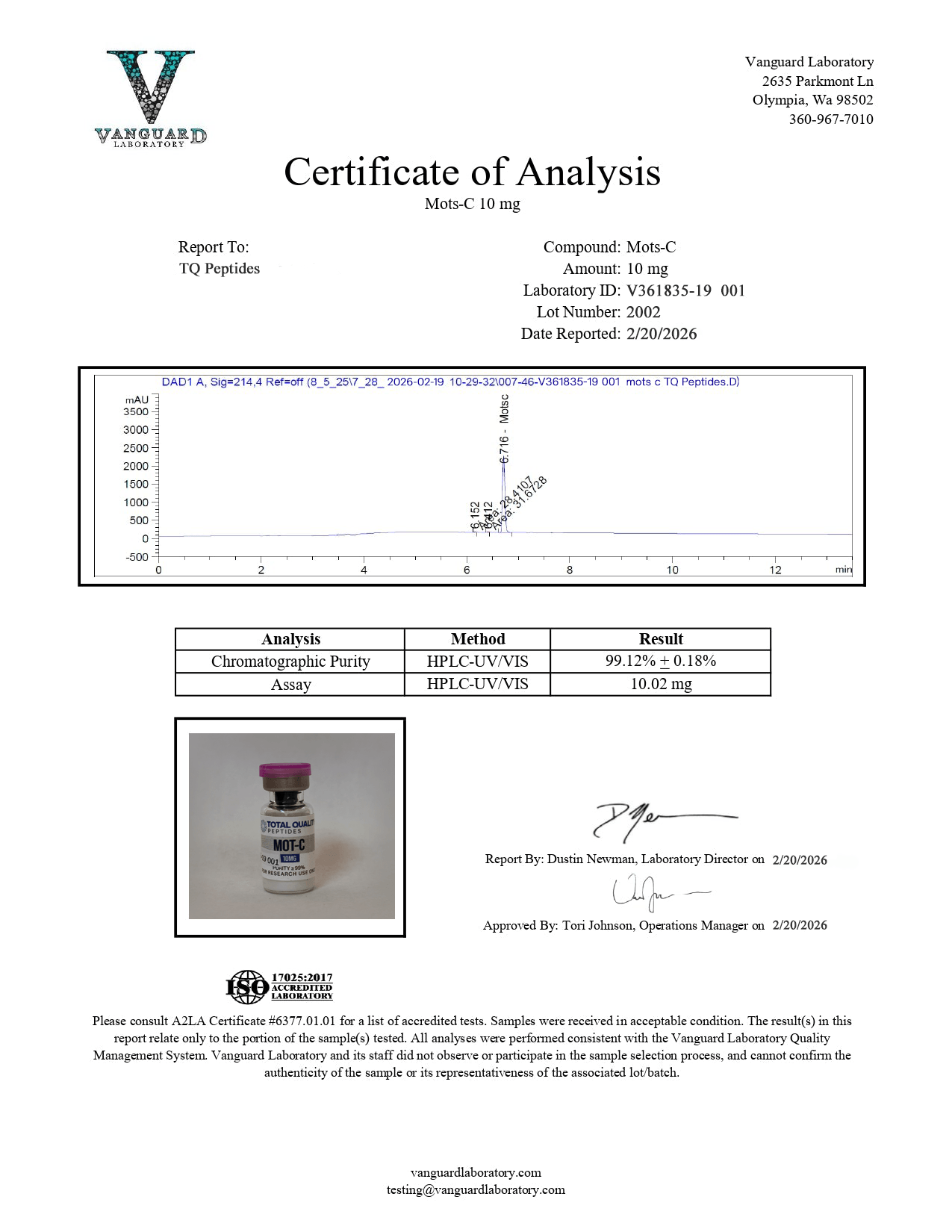
Product Specifications
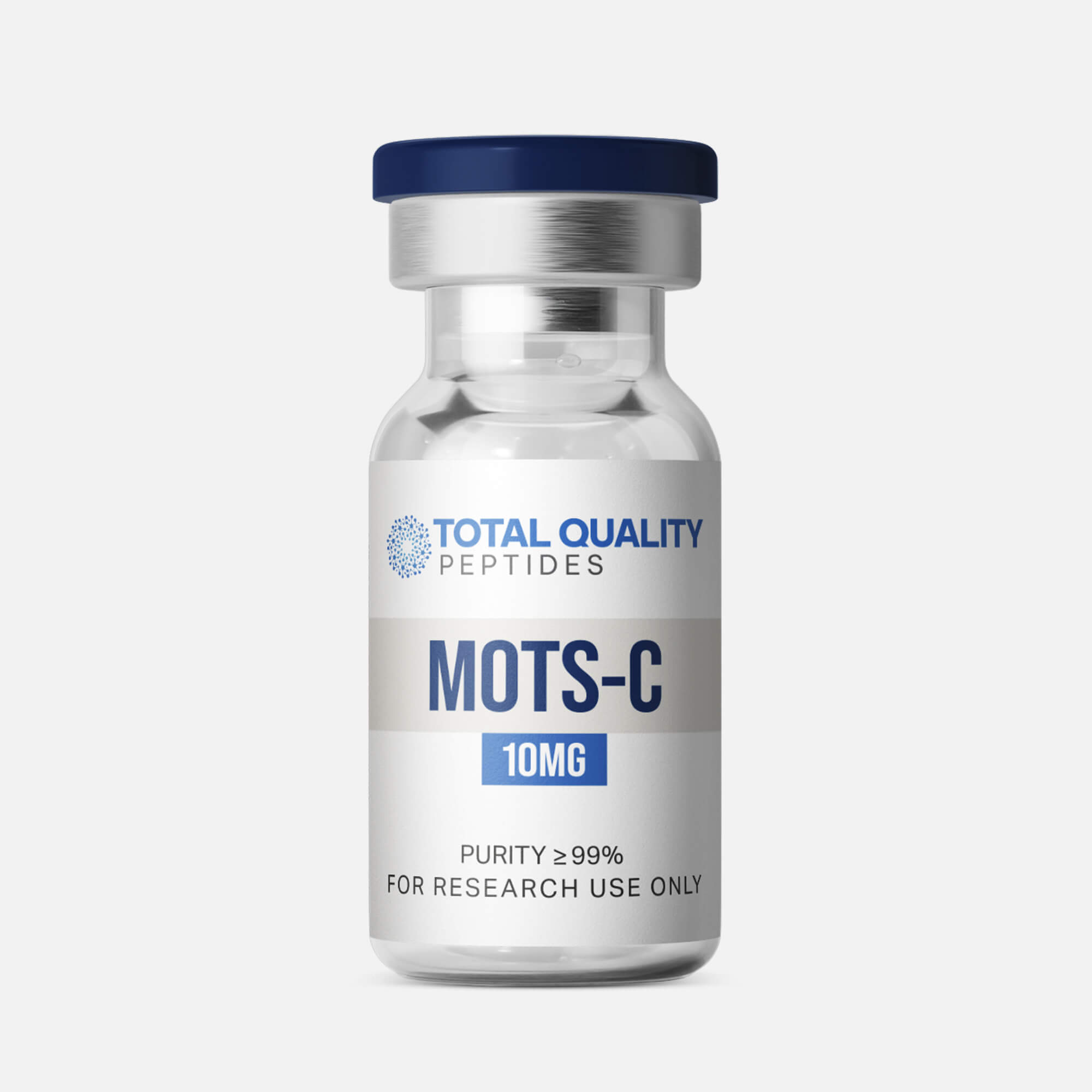
- Peptide: MOTS-c (Mitochondrial Open-Reading-Frame of the 12S rRNA-c)
- Other Designations: Mitochondrial-derived peptide MOTS-c (a peptide originating from mitochondria), Mitokine (a hormone-like molecule produced by mitochondria), Mitochondrial Hormone (a hormone produced by mitochondria)
- Classification: Mitochondrial-derived peptide (MDP)
- Available Size: 10mg
- Form: Lyophilized (freeze-dried) powder
- Purity: >99%
- Amino Acid Count: 16
- Molecular Formula: C₁₀₁H₁₅₂N₂₈O₂₂S₂
- Molecular Weight: 2174.64 g/mol
- Primary Pathway: AMP-activated protein kinase (AMPK) signaling
- Genome Origin: Mitochondrial DNA (12S rRNA gene) — not the nuclear genome
- Origin: Synthetic version of an endogenously (naturally in the body) expressed peptide produced by mitochondria
- Storage: Store lyophilized powder at -20°C. Once reconstituted, store at 2–8°C and use within 30 days.
- Intended Use: For laboratory and research purposes only. Not for human consumption.
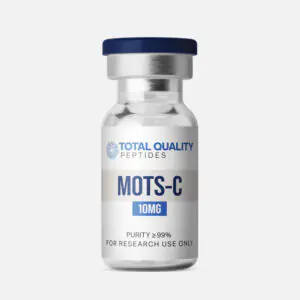
- Third-party tested with Certificate of Analysis available.
What Is MOTS-c?
MOTS-c is a 16-amino-acid peptide distinct among research peptides. Unlike wholly synthetic compounds such as BPC-157, TB-500, CJC-1295, Ipamorelin, and Sermorelin, it is naturally encoded by the mitochondrial genome. MOTS-c originates from the 12S ribosomal RNA (rRNA) gene within mitochondrial DNA. This gives it an endogenous source that other peptides lack.
This distinction matters because the mitochondrial genome operates independently from the nuclear genome, which encodes the body’s proteins. Mitochondria are organelles responsible for cellular energy production. They maintain their own small, circular DNA that is maternally inherited and evolutionarily ancient. The discovery that mitochondrial DNA encodes functional signaling peptides—not just structural components of the electron transport chain—reshaped scientific understanding. It showed how mitochondria communicate with both the cell and the entire organism.
MOTS-c is one of only two identified mitochondrial-derived peptides (MDPs); the other is Humanin. Both are expressed in tissues and circulate in plasma. This dual presence shows they act locally within cells and systemically as hormones. This hormonal role earned MOTS-c the designations “mitochondrial hormone” and “mitokine.” The term “mitokine” refers to a signaling molecule produced by mitochondria to communicate metabolic status to distant tissues.
The primary pathway for MOTS-c’s effects is the AMP-activated protein kinase (AMPK) cascade. AMPK is the cell’s master metabolic sensor and regulator. AMPK activation is vital for energy homeostasis. It governs glucose uptake, fat oxidation, mitochondrial biogenesis, and balances anabolic and catabolic processes. By activating AMPK, MOTS-c sits at the intersection of metabolism, aging, and stress response. This research profile is distinct from growth hormone, tissue repair, and receptor agonist peptides in the catalog.
Another important point: research shows MOTS-c expression may increase with exercise and decline with age. These findings suggest MOTS-c might help mediate exercise’s metabolic benefits. Lower MOTS-c levels could contribute to age-related metabolic dysfunction.
How MOTS-c Works — Proposed Mechanism of Action
MOTS-c works differently from other research peptides, using both signals outside cells and actions inside cells. It can move into the cell’s nucleus and may help control which genes are turned on or off.
AMPK Pathway Activation. The main mechanism attributed to MOTS-c is AMPK activation, the cell’s energy-sensing enzyme. AMPK is activated when the cell’s AMP-to-ATP ratio rises, signaling energy demand. Once AMPK is activated, it triggers metabolic adaptations to restore energy balance: increased glucose uptake, increased fatty acid oxidation, increased mitochondrial biogenesis, and reduced anabolic activity. MOTS-c is proposed to activate AMPK via inhibiting the folate cycle, which connects to de novo purine biosynthesis. Disrupting this cycle may shift the cell’s metabolic balance, triggering AMPK activation.
Nuclear Translocation. During metabolic stress, MOTS-c can leave mitochondria and enter the nucleus. This is unusual for a mitochondrial-encoded peptide. Once in the nucleus, MOTS-c appears to interact with genes, particularly those containing antioxidant response elements (AREs). This suggests regulation by factors such as NRF2, the main controller of antioxidant defense. This nuclear move is a form of mitonuclear communication. Both genomes make factors that cross-regulate one another. Discovering this mechanism advanced mitochondrial biology. It showed mitochondrial-derived peptides can regulate transcription, not just act as extracellular signals.
Systemic Hormonal Action. MOTS-c also circulates in plasma and may act as a systemic hormone, often called a “mitokine.” Circulating MOTS-c levels can affect metabolic functions in skeletal muscle and fat tissue. This shows the peptide serves as a metabolic messenger to distant tissues. Its hormonal function suggests MOTS-c levels may reflect mitochondrial metabolic health in the whole organism.
Exercise-Induced Expression. Research finds physical activity raises MOTS-c expression. This positions MOTS-c as a possible molecular link for exercise’s positive effects on metabolism. These effects may include better insulin sensitivity, glucose balance, and fat metabolism. These benefits may come partly from MOTS-c’s ability to activate AMPK and regulate nuclear genes.
Preclinical and Clinical Research Overview
MOTS-c has been studied across several research areas, consistently as a mitochondria-made regulator of energy use. Here is a summary by research area.
MOTS-c and Skeletal Muscle Metabolism
Skeletal muscle is a key target for MOTS-c research. This is because aging muscle often shows insulin resistance (when muscle cells don’t respond well to insulin) and reduced glucose uptake (the process by which cells absorb blood sugar).
Research has suggested that MOTS-c exposure may stimulate increased AMPK activation in skeletal muscle, which, in turn, may increase the expression of cell-surface glucose transporters. This enhanced expression of glucose transporters could improve skeletal muscle glucose uptake, metabolism, and overall functional capacity.
The metabolic pathways affected by MOTS-c in muscle include the folate-methionine cycle and purine biosynthesis. These pathways are the same ones that activate AMPK in cells. By altering them, MOTS-c may help muscle cells manage glucose and energy more efficiently.
Animal research models have shown that MOTS-c may promote myoblast adaptation and enhance physical performance. These findings fit the peptide’s role as an exercise-induced metabolic regulator. It may contribute to how exercise improves muscle function at the molecular level.
MOTS-c and Fat Cell Metabolism / Obesity Prevention
One of the most notable findings from MOTS-c studies in animals is that it may help prevent weight gain and insulin resistance caused by a high-fat diet.
In an important study, mice fed a high-fat diet were split into two groups: one got MOTS-c, the other did not. Mice given MOTS-c stayed slim and had more energy than those without it. The peptide appeared to prevent fat buildup and helped the body use sugar by activating AMPK.
Researchers propose MOTS-c causes these effects by blocking the folate cycle, which links to purine biosynthesis. Blocking this cycle prompts AMPK activation. This increases glucose use, shifts energy from fat storage, and boosts overall energy spending. The study suggests MOTS-c may help regulate glucose, lipids, and the methionine-folate cycle—all through AMPK.
These results make MOTS-c a promising target for metabolic syndrome, insulin resistance, and diet-induced metabolic disorders. MOTS-c expression may decline with age, contributing to age-related metabolic decline.
MOTS-c and Bone Tissue / Osteogenic Differentiation
MOTS-c is also being studied beyond metabolism, like in bone health. It has been tested to see if it can help form new bone.
Studies have suggested MOTS-c may regulate the TGF-β/SMAD pathway. This pathway is key to bone development and remodeling. MOTS-c appeared to upregulate genes in the TGF-β/SMAD signaling pathway, including TGF-β1, TGF-β2, and SMAD7. This suggests a central role for the pathway in MOTS-c-driven bone formation.
Further experiments showed that knocking down TGF-β1 reversed the bone formation promoted by MOTS-c. This established a direct link between MOTS-c and the TGF-β/SMAD pathway in bone tissue.
Additionally, MOTS-c appeared to stimulate the expression of osteogenesis-related genes, including ALP (alkaline phosphatase), Bglap (osteocalcin), and Runx2 (runt-related transcription factor 2) — three molecular markers that are considered hallmarks of active bone formation. When studied in bone marrow mesenchymal stem cells, MOTS-c appeared to trigger the differentiation of these progenitor cells toward the osteoblast lineage, potentially contributing to new bone tissue development.
These bone-specific findings add an unexpected dimension to MOTS-c’s research profile. A mitochondrial-derived metabolic peptide that also drives osteogenic differentiation through TGF-β/SMAD signaling bridges two normally distinct research domains — energy metabolism and skeletal biology.
MOTS-c and Cardiovascular / Endothelial Function
While MOTS-c has not been proposed to directly influence cardiac muscle function, research has identified a relationship between the peptide and the endothelial cells that line blood vessels — the tissue layer that regulates blood pressure, vascular tone, and clotting.
Clinical observations have revealed a positive correlation between circulating MOTS-c levels and both microvascular and epicardial endothelial function. Subjects with coronary endothelial dysfunction exhibited lower circulating MOTS-c levels than those with normal endothelial function, suggesting that MOTS-c may be a potential biomarker of vascular health.
In preclinical models, exposure to MOTS-c appeared to improve endothelial tissue function, potentially via AMPK-mediated mechanisms. AMPK activation in endothelial cells is associated with improved nitric oxide production, enhanced vascular relaxation, and reduced inflammatory signaling — all of which contribute to healthy endothelial function and cardiovascular protection.
This cardiovascular dimension connects MOTS-c’s core metabolic function (AMPK activation) to vascular biology, suggesting the peptide may influence cardiovascular health through the same mechanism that governs its metabolic effects—a unifying AMPK-mediated action that affects multiple organ systems simultaneously.
MOTS-c and Cellular Aging / Longevity
Perhaps the most ambitious area of MOTS-c research examines its potential relationship to cellular lifespan and the aging process itself.
Several lines of evidence connect MOTS-c to aging biology. First, endogenous MOTS-c levels appear to decline with age — mirroring the decline in mitochondrial function, a hallmark of aging. Second, MOTS-c expression is enhanced by physical exercise — one of the few interventions consistently associated with slowed biological aging. Third, MOTS-c may interact with known aging regulators, including NAD+ and sirtuins — molecular pathways that are central to current longevity research.
Genetic studies have added an additional layer of evidence. The MOTS-c peptide normally contains a glutamate residue at a specific position. Research has identified a naturally occurring variant in which this glutamate is replaced by lysine — a polymorphism with potentially significant functional consequences given the different biochemical properties of these two amino acids. Investigators studying exceptionally long-lived populations have observed associations between MOTS-c variants and extended lifespan, suggesting a biological link between this mitochondrial-derived peptide and the mechanisms that determine cellular and organismal longevity.
As one research group noted, there appears to be a biological link between MOTS-c and extended lifespan through the putative endocrine action of this mitokine — though further mechanistic research is needed to fully characterize how the peptide influences the aging process.
MOTS-c and Mitonuclear Communication
MOTS-c’s ability to translocate from mitochondria to the nucleus and directly regulate nuclear gene expression represents one of the most significant discoveries in recent mitochondrial biology.
This behavior establishes a form of retrograde signaling — communication from the mitochondria back to the nucleus — that was not well understood before MOTS-c was characterized. The traditional view held that nuclear genes control mitochondrial function in a top-down fashion. MOTS-c’s nuclear translocation demonstrates that the relationship is bidirectional: mitochondria can encode peptides that travel to the nucleus and alter the expression of nuclear genes, particularly those involved in stress response and antioxidant defense.
The interaction with antioxidant response elements (ARE) and the NRF2 transcription factor system suggests that MOTS-c may serve as a metabolic stress sensor, detecting changes in mitochondrial function and communicating them to the nuclear genome to mount appropriate adaptive responses. This genetically integrated mitonuclear communication system has implications far beyond MOTS-c itself, suggesting that mitochondrial-derived peptides may represent an entire class of signaling molecules that coordinate cellular metabolism and stress response at the genomic level.
Summary of Key Research Findings
- Classification — One of only two identified mitochondrial-derived peptides (MDPs); the other is Humanin
- Genome Origin — Encoded by the mitochondrial 12S rRNA gene, not the nuclear genome
- Dual Function — Acts both locally within cells and systemically as a circulating hormone (mitokine)
- AMPK Activation — Primary proposed mechanism; activates the cell’s master metabolic sensor via folate cycle inhibition and purine biosynthesis disruption
- Nuclear Translocation — Translocates from mitochondria to the nucleus under metabolic stress; interacts with ARE-containing genes and NRF2.
- Muscle Metabolism — Improved AMPK activation, increased glucose transporter expression, enhanced skeletal muscle glucose uptake and function
- Obesity Prevention — Prevented diet-induced fat accumulation in high-fat-diet mouse models; promoted glucose utilization via AMPK.
- Insulin Sensitivity — Proposed role in preventing age-dependent and diet-induced insulin resistance
- Bone Formation — Upregulated TGF-β/SMAD pathway; stimulated osteogenic differentiation of bone marrow stem cells; increased ALP, Bglap, and Runx2 expression
- Endothelial Function — Positive correlation with microvascular and epicardial endothelial health; downregulated in coronary endothelial dysfunction
- Exercise Response — Expression enhanced by physical activity; may mediate exercise-induced metabolic improvements
- Aging / Longevity — Endogenous levels decline with age; interacts with NAD+ and sirtuin pathways; genetic variants associated with exceptional longevity
Handling and Reconstitution
- Store lyophilized powder at -20°C for long-term stability.
- Reconstitute with bacteriostatic water or sterile water for injection.
- Once reconstituted, store at 2–8°C (refrigerator temperature)
- Use the reconstituted solution within 30 days.
- Avoid repeated freeze-thaw cycles.
- Handle with appropriate laboratory safety protocols.
Quality Assurance
- Purity verified at >99% by high-performance liquid chromatography (HPLC)
- Identity confirmed by mass spectrometry (MS)
- Certificate of Analysis (COA) available for every batch
- Third-party tested for purity, identity, and consistency.
- Supplied as lyophilized (freeze-dried) powder for maximum stability
Frequently Asked Questions
What is MOTS-c?
MOTS-c (Mitochondrial Open-Reading-Frame of the 12S rRNA-c) is a 16-amino-acid peptide encoded by the mitochondrial genome — specifically by the 12S ribosomal RNA gene. It is one of only two identified mitochondrial-derived peptides, functioning both locally within cells and systemically as a circulating hormone (mitokine). Its primary proposed mechanism involves activation of the AMPK pathway to regulate cellular metabolism.
What makes MOTS-c different from other research peptides?
MOTS-c is the only peptide in the research catalog that originates from the mitochondrial genome rather than being wholly synthetic. It represents an endogenous signaling molecule that communicates mitochondrial metabolic status to both the nuclear genome (via nuclear translocation) and distant tissues (via systemic circulation). Its mechanism — AMPK activation via modulation of the folate cycle — is fundamentally different from the receptor agonism that characterizes peptides like CJC-1295, Ipamorelin, or BPC-157.
What is the relationship between MOTS-c and exercise?
Research has demonstrated that MOTS-c expression is enhanced by physical activity. The peptide is proposed to function as a molecular mediator of exercise-induced metabolic benefits, including improved insulin sensitivity, enhanced glucose handling, and optimized fat metabolism.
Does MOTS-c decline with age?
Yes. Research suggests that endogenous MOTS-c levels decline with age, paralleling the decline in mitochondrial function, a hallmark of biological aging. This age-related decline may contribute to metabolic dysfunction, insulin resistance, and the reduced exercise capacity observed in aging populations.
What is mitonuclear communication?
Mitonuclear communication refers to the bidirectional signaling between the mitochondrial and nuclear genomes. MOTS-c demonstrates this by translocating from mitochondria to the nucleus under metabolic stress and directly influencing nuclear gene expression — establishing that mitochondria can regulate nuclear gene expression, not just receive instructions from it.
What areas of research has MOTS-c been studied in?
Skeletal muscle metabolism and glucose uptake; fat cell metabolism and obesity prevention; insulin sensitivity; bone formation and osteogenic differentiation (TGF-β/SMAD pathway); endothelial function and cardiovascular biomarker research; exercise physiology; and cellular aging and longevity.
What is the purity of this product?
Greater than 99%, verified by third-party HPLC and mass spectrometry. A Certificate of Analysis is available for every batch.
What size is available?
10mg.
How should I store this product?
Store lyophilized powder at -20°C. Once reconstituted, store at 2–8°C and use within 30 days. Avoid repeated freeze-thaw cycles.
What is this product intended for?
This product is intended for laboratory and research purposes only. It is not intended for human consumption, therapeutic use, or diagnostic purposes.
References
- Lee, C., Kim, K. H., & Cohen, P. (2016). MOTS-c: A novel mitochondrial-derived peptide regulating muscle and fat metabolism. Free Radical Biology and Medicine, 100, 182–187. https://doi.org/10.1016/j.freeradbiomed.2016.05.015
- Mohtashami, Z., Singh, M. K., Salimiaghdam, N., Ozgul, M., & Kenney, M. C. (2022). Most Recent Mitochondrial Derived Peptide in Human Aging and Age-Related Diseases. International Journal of Molecular Sciences, 23(19), 11991. https://doi.org/10.3390/ijms231911991
- Lee, C., Zeng, J., Drew, B. G., Sallam, T., Martin-Montalvo, A., Wan, J., Kim, S. J., Mehta, H., Hevener, A. L., de Cabo, R., & Cohen, P. (2015). The mitochondrial-derived peptide MOTS-c promotes metabolic homeostasis and reduces obesity and insulin resistance. Cell Metabolism, 21(3), 443–454. https://doi.org/10.1016/j.cmet.2015.02.009
- Lu, H., Wei, M., Zhai, Y., Li, Q., Ye, Z., Wang, L., Luo, W., Chen, J., & Lu, Z. (2019). MOTS-c peptide regulates adipose homeostasis to prevent ovariectomy-induced metabolic dysfunction. Journal of Molecular Medicine, 97(4), 473–485. https://doi.org/10.1007/s00109-018-01738-w
- Reynolds, J. C., Lai, R. W., Woodhead, J. S. T., Joly, J. H., Mitchell, C. J., Cameron-Smith, D., Lu, R., Cohen, P., Graham, N. A., Benayoun, B. A., Merry, T. L., & Lee, C. (2021). MOTS-c is an exercise-induced mitochondrial-encoded regulator of age-dependent physical decline and muscle homeostasis. Nature Communications, 12(1), 470. https://doi.org/10.1038/s41467-020-20790-0
- Kim, K. H., Son, J. M., Benayoun, B. A., & Lee, C. (2018). The Mitochondrial-Encoded Peptide MOTS-c Translocates to the Nucleus to Regulate Nuclear Gene Expression in Response to Metabolic Stress. Cell Metabolism, 28(3), 516–524.e7. https://doi.org/10.1016/j.cmet.2018.06.008
- Hu, B. T., & Chen, W. Z. (2018). MOTS-c improves osteoporosis by promoting osteogenic differentiation of bone marrow mesenchymal stem cells via TGF-β/Smad pathway. European Review for Medical and Pharmacological Sciences, 22(21), 7156–7163. https://doi.org/10.26355/eurrev_201811_16247
- Qin, Q., Delrio, S., Wan, J., Jay Widmer, R., Cohen, P., Lerman, L. O., & Lerman, A. (2018). Downregulation of circulating MOTS-c levels in patients with coronary endothelial dysfunction. International Journal of Cardiology, 254, 23–27. https://doi.org/10.1016/j.ijcard.2017.12.001
- Fuku, N., et al. (2015). The mitochondrial-derived peptide MOTS-c: A player in exceptional longevity? Aging Cell, 14(6), 921–927. https://doi.org/10.1111/acel.12389
Disclaimer
This product is sold for research and laboratory use only. It is not a drug, food, cosmetic, or supplement. It is not intended to diagnose, treat, cure, or prevent any disease or medical condition. It is not approved for human or veterinary use. The information provided on this page is drawn from published preclinical and clinical research literature and is presented for informational purposes only. Researchers are responsible for ensuring compliance with all applicable regulations governing the purchase, handling, and use of research peptides in their jurisdiction.
All products sold by TQ Peptides are intended strictly for laboratory research, analytical testing, and in vitro experimental purposes only. These products are not intended for human or animal consumption.
TQ Peptides operates solely as a research chemical supplier and is not a compounding pharmacy or chemical compounding facility as defined under Section 503A of the Federal Food, Drug, and Cosmetic Act. Additionally, TQ Peptides is not classified as an outsourcing facility under Section 503B of the same Act.
The statements made on this website have not been evaluated by the U.S. Food and Drug Administration (FDA). Products sold by TQ Peptides are not intended to diagnose, treat, cure, or prevent any disease.